OFFICE SPACE CALCULATOR
A data-driven office layout planning tool developed during my internship at 603, helping businesses optimize space utilization and desk allocations.
WHAT IS THIS PROJECT ABOUT?
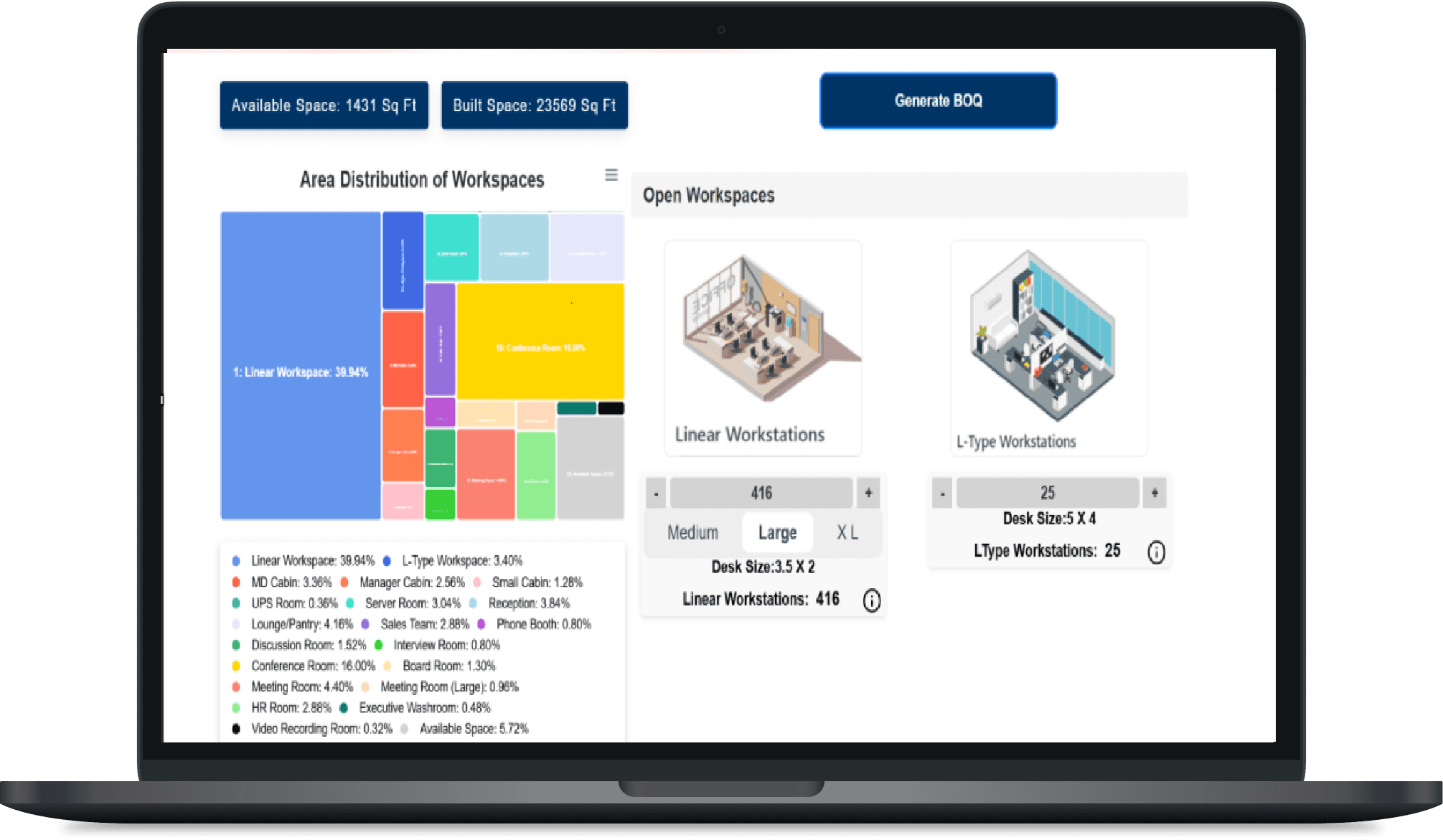
The Office Space Calculator helps teams and businesses estimate and plan office layouts, desk allocations, and capacity requirements. It combines visualization tools, configurable floorplans, and analytics to make planning faster and more accurate.
During my internship at 603, I developed this project to replace manual spreadsheets and guesswork with an interactive, data-driven layout tool. I created a virtual layout system that enables precise tracking of occupancy, easy reconfiguration of spaces, and automated suggestions for optimal space utilization.
THE MANUAL SORTING PROCESS AND ITS PROBLEM
Prior to this project, many teams relied on spreadsheets and ad hoc diagrams to plan seating and rooms. That made it hard to visualize capacity, track occupancy, or quickly reconfigure layouts for changing team sizes. My goal was to automate and simplify the planning workflow so managers could make data-backed decisions.
OUR SOLUTION
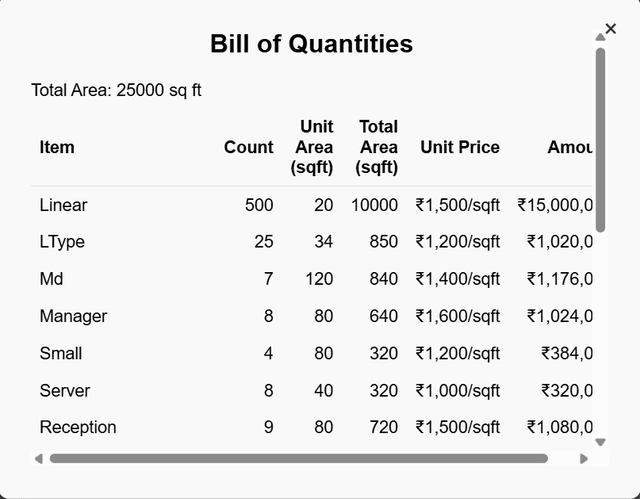
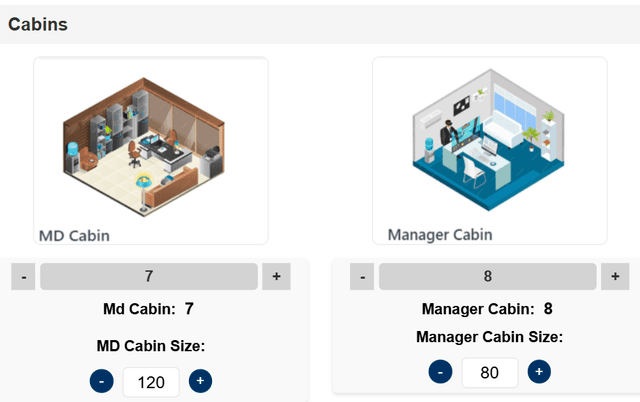
I developed a web application to support the Office Space Calculator during my internship at 603. The solution includes an interactive floorplan editor, capacity analytics, and a recommendation engine that suggests optimal desk and room assignments based on team size and constraints. Administrators can preview layouts, export reports, and quickly apply changes across floors.
I focused on building a scalable and maintainable user interface for the office space planning application. This involved developing reusable components to ensure consistency and efficiency across the application's various features, including the interactive floorplan editor and capacity analytics dashboard. I utilized modern React patterns and libraries to accelerate development and create an accessible, responsive interface that helps businesses optimize their office layouts efficiently.
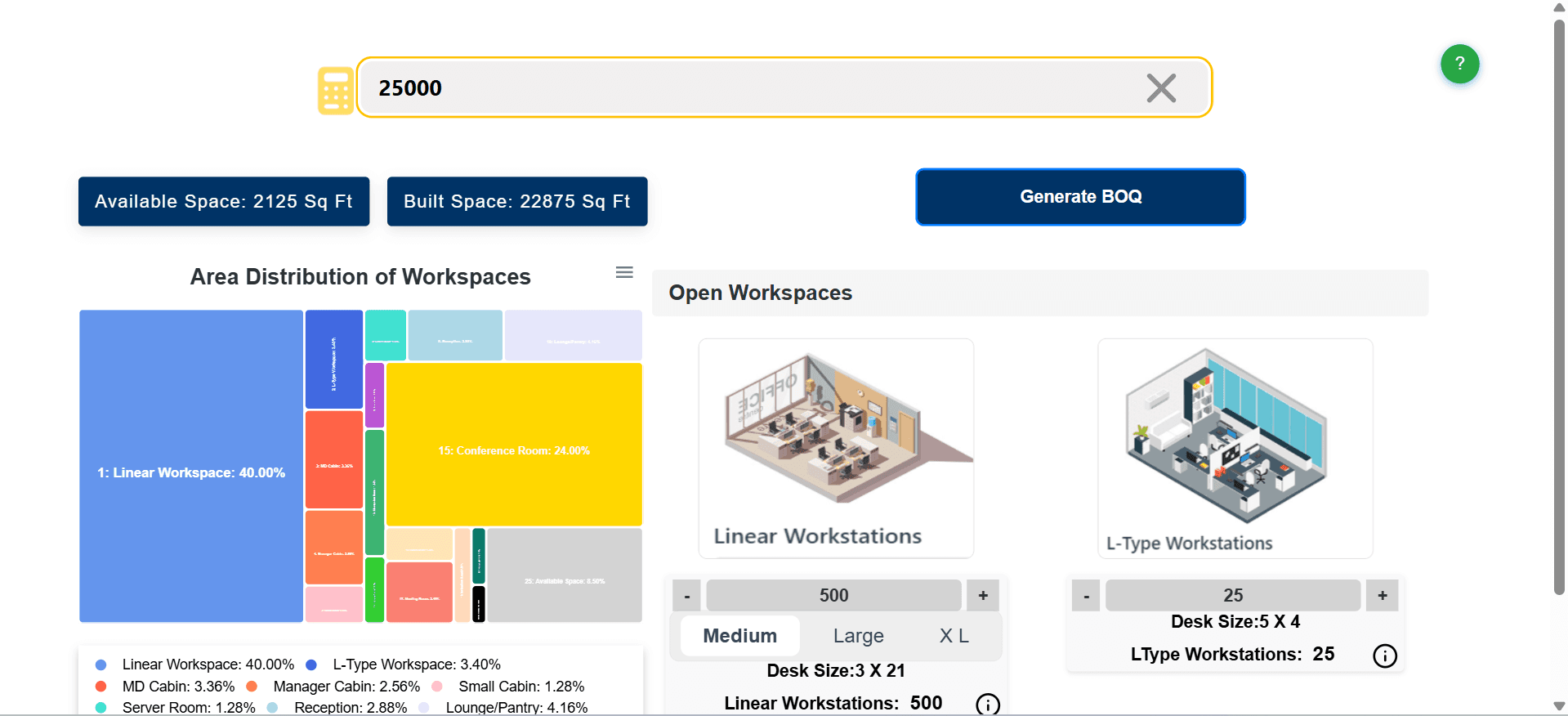
Layout design wireframe for the Office Space Calculator
MY KEY TAKEAWAYS
This internship project at 603 provided invaluable learning opportunities and hands-on experience with web development. I gained practical experience in applying Agile methodologies, working in sprints, and understanding the importance of clear communication and documentation. I learned the significance of writing clean code, conducting thorough testing, and delivering quality solutions that meet business requirements. The experience reinforced the value of good planning, problem-solving, and professional development practices.
Reflecting on this project, I see myself as a frontend developer who enjoys creating user-friendly interfaces and engaging with design principles. I'm excited to continue exploring web development and enhancing my skills in building accessible, responsive, and interactive applications. This project has sparked my interest in frontend development, and I look forward to furthering my knowledge in this area. It's also shown me that while a first product might not be perfect, the experience and lessons learned make it unforgettable.